
Nigeria’s Navy Increasing Role in Counter-Insurgency Operations in Lake Chad.
by
Highlights
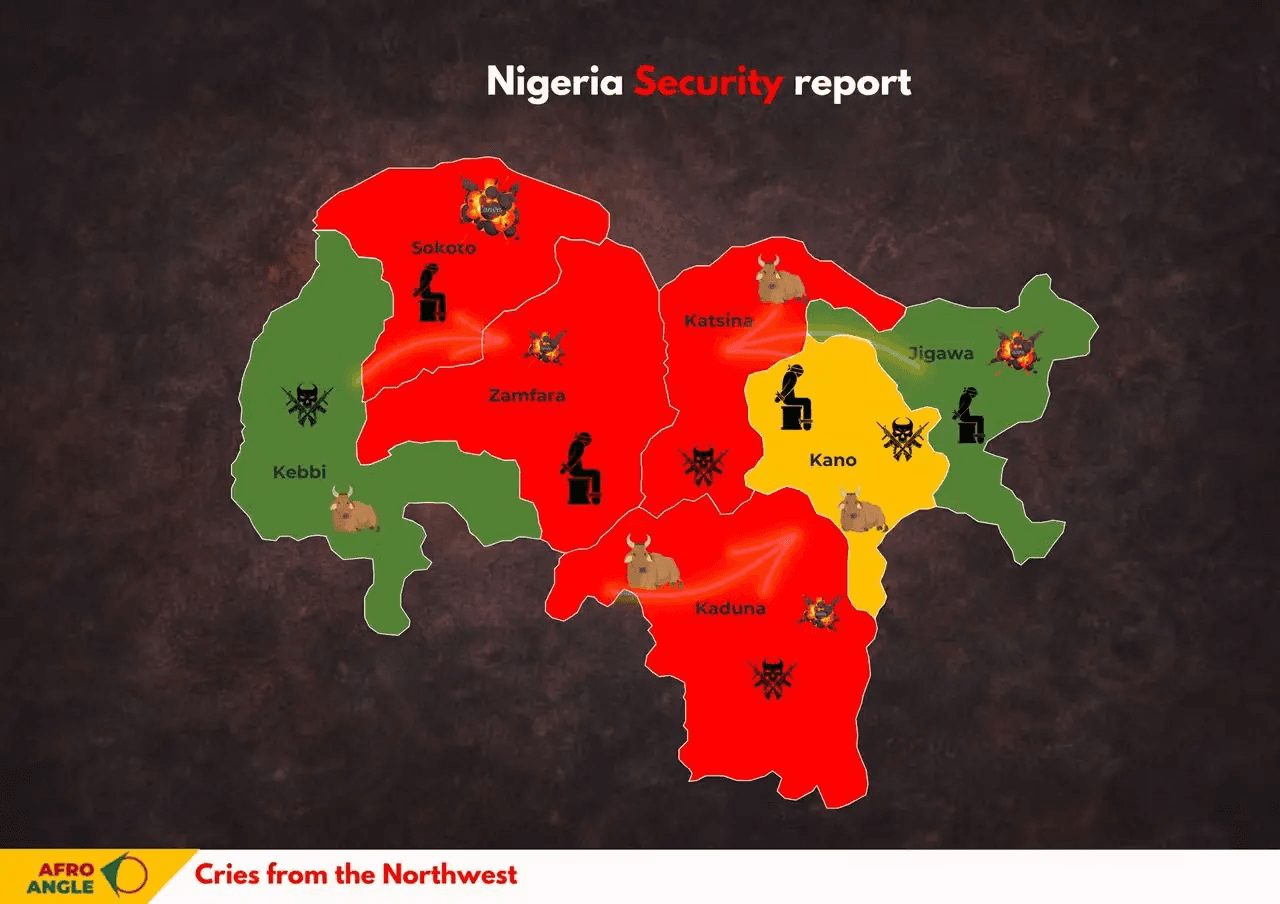
- Armed bandits launched a deadly ambush along the Sokoto–Gusau Highway, targeting a vehicle carrying police personnel travelling to Zamfara for special election security duties. The attack resulted in the death of five police officers and left several others injured. and injured others. It highlights the continued risk of movement along the state’s road corridors and the vulnerability of security forces.
- The Federal Government announced a major development in its counter-terrorism prosecution efforts, securing 791 new convictions and bringing the cumulative total to 2,512. The increase marks a significant legal milestone in efforts to accelerate the prosecution of terrorism-related offences, secure convictions against those found guilty, and deliver justice to victims’ families.
- The Defence Headquarters announced plans to collaborate with the AES countries of Mali, Burkina Faso and Niger to restructure and optimise the multinational joint task forces tasked with combating insurgent groups in the Lake Chad region. The initiative signals a new phase of cooperation between Nigeria and the AES, with a focus on bridging regional political divisions and strengthening intelligence sharing and coordinated counter-terrorism operations.
Northern Nigeria Security Situation Report | November 1–7, 2026
Weekly Review
In the North-central region, at least 14 Islamic school students were abducted by suspected bandits in Tungan-Bako village, Rafi Local Government Area, Niger State, while harvesting maize on their teacher’s farm. The incident highlights the growing vulnerability of students to kidnapping and reinforces Niger State’s position as a major hotspot for student abductions. It follows the abduction of more than 300 students in Papiri last year, as well as the kidnapping of worshippers in communities across Borgu Local Government Area in recent months.
In Plateau State, armed bandits attacked troops of Operation Enduring Peace at the Sopp checkpoint in Ungwan Boka community, Riyom Local Government Area, killing one soldier and seizing weapons. Separately, an 18-year-old vigilante was killed during a midnight attack on Rachas village in Barkin Ladi. Two herders and several cattle were also killed around Tafawa community in Riyom Local Government Area. In Benue State, gunmen attacked the Abeda Shitile community in Gaambe-Tiev, Logo Local Government Area, on a market day, killing four people.
In the Northwest, troops of Operation Fansan Yamma arrested a suspected terrorist, Auta Maikyala, in Kagarko Local Government Area of Kaduna State. The troops also intensified counter-terrorism clearance operations in Maradun, targeting suspected terrorist locations, including sites linked to Dogo Gide in Babban Doka and Kuyumbana forests. Meanwhile, in Kebbi State, Lakurawa continued its violent activities. Suspected Lakurawa operatives reportedly entered the Tuga community in Bagudo Local Government Area to enforce an imposed levy, firing sporadically. They also opened fire on a customs checkpoint, forcing personnel to temporarily withdraw.
In the Northeast, Nigerian troops conducted an offensive operation against a terrorist enclave in Ari Korir village, destroying locations used by insurgents as hideouts. The operation was aimed at dismantling terrorist infrastructure and destroying insurgents' safe havens. An IED was also discovered and safely detonated along the Damboa–Bulabulin–Maiduguri road. No casualties were reported, but the incident highlights the continued threat posed by explosives to both military and civilian movement along the corridor.
Overall, the security environment remains marked by the vulnerability of security forces and local communities, alongside continued insurgent activity and expansion amid intensified counter-terrorism operations.
Introduction
As highlighted in previous reports, the success of the Nigerian Navy inrepelling attacks and impeding the tactical gains of militants operating in Lake Chad highlights its growing role in counter-insurgency operations in the Northeast. This role is becoming increasingly important as insurgent groups expand their presence in the lake’s coastal and island areas, exerting influence and controlling resources along its waterways.
The Navy’s role is critical to restricting insurgent movement across the water, disrupting their resource and taxation networks, and supporting wider counter-insurgency efforts. This is equally important for preparing institutionally for a possible transfer of some internal security responsibilities to the Nigeria Police Force, as discussions around the police taking on a greater role in addressing internal security threats continue.
Nigeria’s Naval Presence in the Northeast
Since the establishment of Naval Base Lake Chad in Baga, Kukawa Local Government Area, in 2016, the Nigerian Navy has played a leading role in countering insurgent groups in the Lake Chad Basin and reducing their maritime capabilities. The base was initially established to secure inland fishing and trade routes, but has since evolved into a command post supporting counter-insurgency operations.
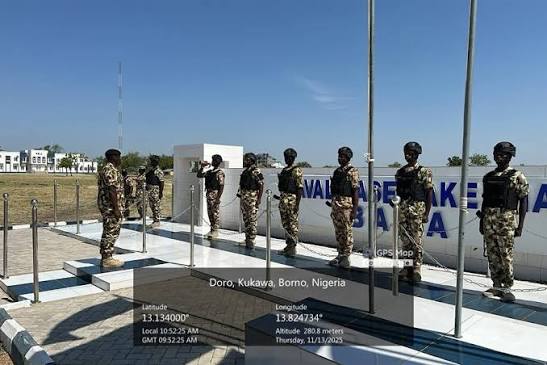
From its primary base in Baga, the Navy projects combat power through a network of forward operating positions. It also maintains a presence along the Monguno road to protect supply and communication lines and provide reinforcement to nearby bases. Operating as the maritime component of Operation Hadin Kai, the Navy supports tactical and clearance operations. During ground offensives, troops push insurgents out of mainland forests, including Sambisa and the Timbuktu Triangle, towards the lake. Naval units then establish positions to intercept fighters attempting to retreat across the waterways. This coordination was recently demonstrated during an operation against insurgents in the Lake Chad Basin.
Several naval assets and special forces have been deployed to the frontline. The elite Special Boat Service (SBS) operates in the Lake Chad theatre, conducting high-risk direct-action missions, deep reconnaissance across the marshlands, hostage rescue operations and precision assaults against fortified insurgent bases. The Nigerian Navy Marines have also been deployed to bridge the operational gap between riverine patrols and inland ground combat. These operations are often conducted alongside Nigerian Army forces.
The Navy’s contribution to counter-insurgency operations centres on four main areas: logistical strangulation, denial of island sanctuaries, control of waterways and economic stabilisation.
First, the Navy disrupts the logistics networks that sustain insurgent operations in the interior. Moving supplies over land leaves insurgents vulnerable to ground interdiction and airstrikes. As a result, insurgent groups rely on watercraft to transport petroleum, small arms, ammunition, and IED components across the lake. Through a sustained presence on the waterways, the Navy intercepts these resupply efforts and puts pressure on insurgent groups operating on the mainland.
The Navy also addresses the challenge of insurgent hideouts on islands, known locally as Tumbus. For years, ISWAP established administrative enclaves, makeshift detention camps, and bomb-making facilities on remote islands protected by surrounding marshes. Using the combined capabilities of the SBS and the Nigerian Navy Marines, the Navy conducts amphibious assaults against these island strongholds. By capturing fortified positions, destroying shelters and seizing weapons stores, naval forces deny insurgents access to their island sanctuaries and push them towards the mainland, where they face concentrated pressure from Operation Hadin Kai.
Beyond direct combat operations, the Navy also plays an important role in economic stabilisation and disrupting insurgent financing. A central part of ISWAP’s local governance model has been its control and extortion of the regional fishing economy. Lake Chad is one of West Africa’s major artisanal fisheries, producing large quantities of dried fish for markets across Nigeria and the Lake Chad region. When insurgent groups dominated the lake, they imposed taxes on fishermen, confiscated catches, and controlled transit routes. The proceeds helped finance weapons procurement and operational expenses.
By establishing a fortified base at Fish Dam and conducting regular patrols across fishing grounds, the Nigerian Navy has worked to dismantle this illicit taxation system. Its clearance operations protect returning fishing cooperatives, secure commercial boat traffic, and help internally displaced persons resume their livelihoods. These efforts also disrupt a major source of funding for the insurgency.
Despite sustained operational gains, the Navy has suffered losses and continues to face significant challenges. These include the mid-2025 attack on its base in Baga, where insurgents launched a coordinated assault aimed at destroying or capturing newly acquired swamp buggies. The force also faces operational difficulties linked to seasonal fluctuations in water levels and the wider climatic conditions of the Sahel.
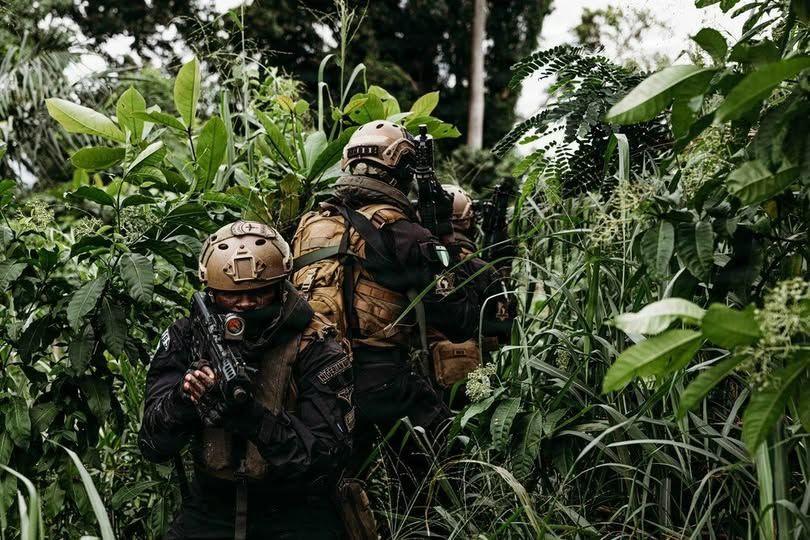
By anchoring its operations at Naval Base Lake Chad in Baga and working closely with the Nigerian Army, Nigerian Air Force and regional partners in the MNJTF, the Nigerian Navy has adapted its maritime doctrine to support internal riverine warfare. It restricts extremist networks’ access to regional waterways, disrupts illicit war economies and helps create the security conditions needed for sustainable stabilisation and civilian resettlement across the Lake Chad Basin.
Outlook
In the coming weeks, security developments across the northern region are likely to be shaped by the election period. Attacks against security forces, civilians, party supporters and campaign activities may increase. In the Northwest, highway corridors across the region, including routes connecting states such as Sokoto, will remain vulnerable to disruption by bandit groups, affecting the movement of people and goods. The growing presence and attacks by Lakurawa in communities across Kebbi State also warrant close monitoring.
In the Northeast, as the dry season gradually sets in, the Nigerian military is likely to sustain offensive operations against insurgent groups across the region. In the North-central, continued abductions of civilians in Niger State require urgent attention, as some areas are increasingly becoming difficult for state authorities to access and are facing growing armed-group control.
Afroangel Intel Admin
Afroangle Intel Admin
comments
No comments yet