
How the Nigeria-Boko Haram Truce may Result in Longterm Strategic Fall Out
by
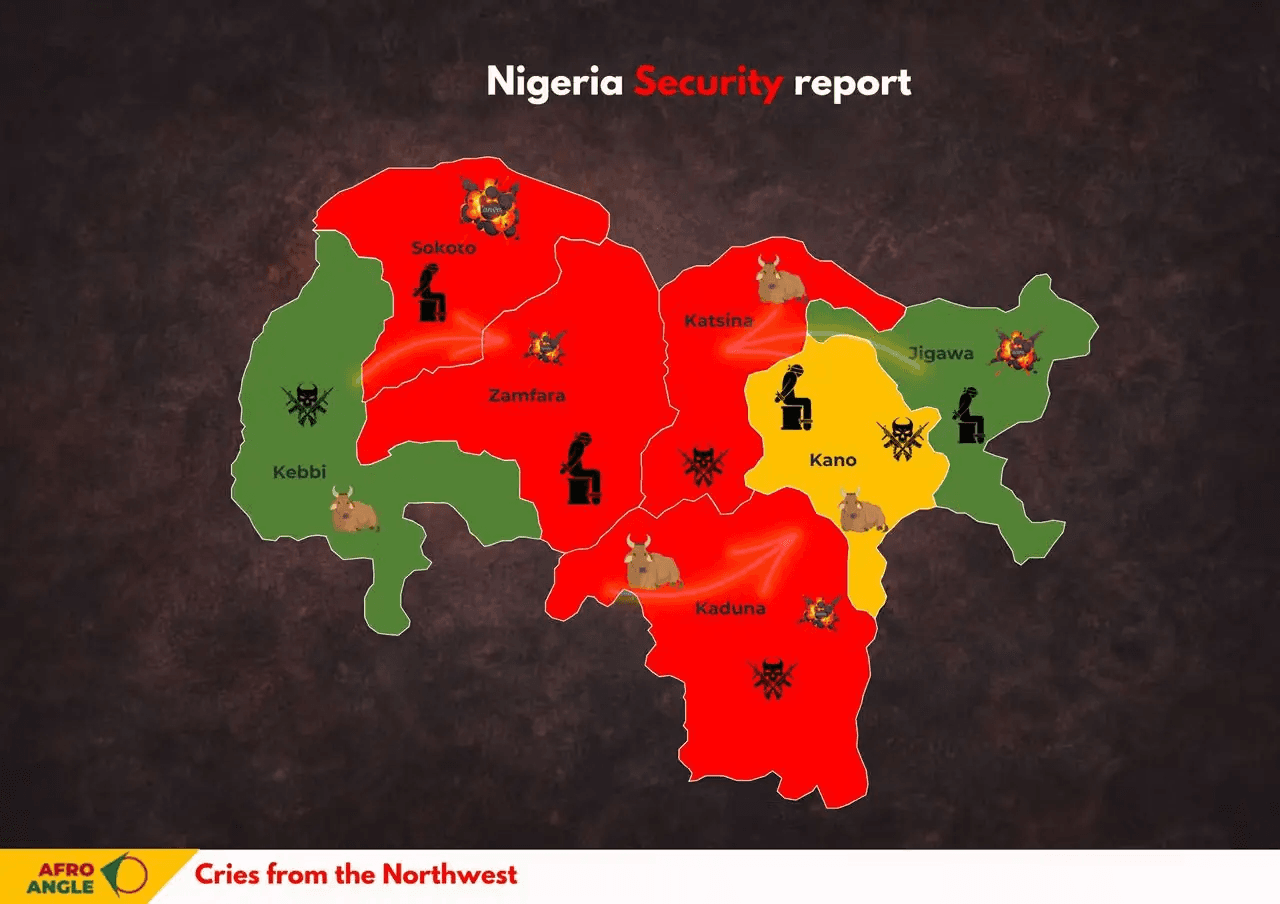
Northern Nigeria Security Situation Report (September 6 - September 12, 2026)
Introduction
Nigeria-US defence ties continue to grow after months of joint operations and training. The partnership was further demonstrated during the reporting week when the United States delivered another consignment of military equipment to Nigeria as part of efforts to strengthen the country’s capacity to combat terrorism and other security threats. While the quantity and nature of the equipment remain unknown, it is expected to strengthen Nigeria’s airforce aerial capabilities as the military intensifies operations against insurgent groups in the North-east. The North-east, meanwhile, continues to experience persistent attacks by ISWAP on military bases, although Nigerian troops have maintained firm resistance against attempts by the group to overrun military installations.
An attempt by ISWAP to overrun a military base in Pulka, Gwoza Local Government Area, was unsuccessful after troops put up fierce resistance against the group. The engagement was supported by aerial surveillance and close air support, which contributed to thwarting the attack. In another significant operational gain, an airstrike by the North-east operational command killed about 18 terrorists at Tumbunma Baba in the Tumbuns area of Borno State. The strike was also reported to have destroyed several terrorist structures and logistics hubs. According to open-source reporting, the operation followed intelligence indicating that a high-profile terrorist meeting was taking place on the island.
The reporting period also saw the emergence of an alleged ceasefire agreement between the Nigerian government and the Boko Haram/JAS faction in Borno State. According to the report, the agreement followed the payment of five billion naira by the Nigerian government to secure the release of kidnapped victims in Ngoshe. While such an agreement could offer short-term operational gains, its longer-term strategic consequences could be significant. From the government's perspective, the arrangement may provide some breathing space to focus on ISWAP and redirect resources towards other threat actors across the country.
However, by reaching an agreement with JAS, the government may also be creating space for the group to regroup, strengthen its position and gain greater leverage to demand further concessions from the government in the future. What may appear tactically useful in the short term could therefore create a more difficult security challenge over time, particularly if JAS uses the period to rebuild its networks, recruit new fighters or expand its operational capacity. Nigeria could eventually find itself dealing with a strengthened threat that becomes harder to contain.
Weekly Review
Across the Northern conflict theatre, the landscape continues to be characterised by violence, which continues to affect communities across the region. In the week, bandits abducted six imams while they were travelling to Talata Mafara, Zamfara State, to attend a special prayer session organised by Senator Yari Abubakar, underscoring the severity of the state’s security situation. In Kaduna, unidentified gunmen killed three members of the Kaduna State Vigilance Service along the Zuntu-Zaria road in Kubau Local Government Area, reportedly following a gun duel with suspected armed robbers. In Sokoto, the threat landscape also remains volatile, with the state continuing to witness a surge in attacks by armed groups. In Tofa village, Rabah Local Government Area, seven people were killed and 12 others abducted after armed bandits invaded the community. The attackers also rustled an undisclosed number of animals.
In the North Central, suspected Fulani bandits killed local vigilante members while they were on sentry duty in Kafi Abu village, Barkin Ladi Local Government Area of Plateau State. In another incident in Ratt village, in the same local government area, local armed men killed one person and rustled 25 cattle belonging to the victim. In Nyarwai village, also in Barkin Ladi, armed men killed a herder and about 18 of his cows, further underscoring the severity of the conflict and the continued targeting of both farming and pastoralist communities.
In the North-east, aside from the operational gains highlighted above, the regional operational theatre witnessed a leadership reshuffle, with a new commander appointed to lead Operation Hadin Kai. Other leadership changes also took place across the Army’s frontline operations, training institutions and strategic departments. However, the security situation remains unstable. In Adamawa, Boko Haram fighters killed 12 people in Dzangola community, Gombi Local Government Area. In Borno, troops arrested three suspected drug smugglers along the Maiduguri-Mafa road and recovered 92 parcels of Colorado. The drugs could potentially have been destined for terrorist enclaves in the region, although this remains unconfirmed.
This reporting week therefore saw a mix of operational gains, strategic changes within the military and continued violence across the Northern conflict theatre. The situation in Plateau remains particularly concerning, with retaliatory attacks increasingly taking place along ethnic and communal lines, raising the risk of further cycles of violence between affected communities.
Boko Haram Ceasefire agreement with Nigeria government.
An interesting report by The New Humanitarian reveals that the Nigerian government has entered into a ceasefire agreement with the Boko Haram/JAS faction led by Bakura Doro. The truce has reportedly been in effect since June and is expected to extend for another 40 days. At the time of the New Humanitarian report, this suggested that the agreement could hold until October. The arrangement reportedly followed the abduction of more than 300 civilians in Ngoshe and the subsequent payment of around five billion naira to secure their release. Under the agreement, JAS would halt attacks and other violent activities against civilians and the military. The group has continued to clash with its rival ISWAP faction during the period, but the report indicates that its activities have reduced around its areas of territorial control in the Mandara Mountains and the Lake Chad region.
For the Nigerian government, the truce provides an opportunity to keep one of the region’s lethal insurgent groups in check while expanding counter-terrorism operations against ISWAP and sustaining the gains from the US-Nigeria joint operations. On the surface, the agreement may appear productive and potentially well-intended. Its longer-term effects, however, could be consequential.
The truce and reported ransom payment give JAS a period in which it can recover, recruit and strengthen its supply lines for moving fighters and weapons. The faction has become considerably weakened and embattled since the killing of its former leader, Abubakar Shekau, while its different factions across the North-east, including the Ngulde faction, have increasingly turned to criminal activities and the pillaging of civilian communities for resources. Its fighting capacity has also declined in recent years, although it continues to engage in occasional turf battles with ISWAP. A pause in combat, combined with reduced military pressure and access to ransom proceeds, could therefore provide JAS with an opportunity to rebuild its ranks and strengthen its supply networks.
The agreement could also give the group greater leverage in future negotiations. If the reported payment of five billion naira and the subsequent truce followed the large-scale abduction in Ngoshe, it could reinforce the perception within JAS that mass kidnapping can bring the government to the negotiating table. This creates a potentially dangerous incentive for the group to make greater demands in future negotiations, particularly if it believes that the government is willing to offer concessions to secure the release of hostages or reduce violence in specific areas. The government may have gained short-term operational space, but the agreement could also expose a vulnerability that JAS or other armed groups may seek to exploit.
Nigeria’s previous experience of negotiating and paying armed groups also raises concerns about the longer-term consequences of such arrangements. In the Niger Delta, years of engagement with militant leaders eventually contributed to the emergence of former armed actors as influential political and economic players in the region. The North-east is a different conflict environment, and the JAS case should not be treated as a direct parallel. However, the broader trajectory raises questions about whether repeated concessions to armed groups could gradually give non-state actors greater political and economic leverage. If JAS uses the current pause to rebuild its capabilities, the government could eventually face a stronger actor than the one it negotiated with.
Outlook
In the coming weeks, the security environment across the Northern theatre is likely to remain elevated. In the North-west, armed bandit groups are expected to sustain their activities, while other armed groups in the region, including Lakurawa, could potentially shift towards kidnapping as the campaign season begins and the 2027 election draws closer. In the North-east, the Nigerian military is likely to sustain its offensive against ISWAP and could intensify operations as political pressure grows on the government to demonstrate security gains during the campaign period.
JAS will require close monitoring, particularly as the current truce approaches its reported 40-day extension. Whether the agreement is extended, collapses or evolves into a longer-term arrangement will be important in determining how the conflict landscape develops in the North-east. A return to active hostilities could occur at a particularly sensitive period if JAS has used the truce to rebuild its fighting capacity. In the North Central, communal violence in Plateau is also likely to remain elevated, with the campaign season potentially providing political actors with an opportunity to weaponise religious and ethnic rhetoric for political gains, further increasing tensions between already divided communities.
Afroangel Intel Admin
Afroangle Intel Admin
comments
No comments yet