
How the United States Is Strategically Rebuilding Its Military Footprint to Expand Influence in Africa
by
Introduction
In recent years, rising anti-Western sentiment across Africa, particularly in the Sahel, has significantly reshaped the continent’s geopolitical landscape. This shift has altered long-standing security partnerships and weakened the influence of traditional Western actors, most notably France and, to a lesser extent, the United States. At the height of this transition, military and diplomatic relations between France and several of its former colonies including Mali, Burkina Faso, Niger, and Chad - deteriorated sharply, resulting in troop withdrawals and the collapse of key security arrangements.
The United States was also affected by this broader geopolitical realignment. Washington was forced to withdraw from its major drone base in Niger, a move that significantly reduced its ability to conduct counter-terrorism operations and “over-the-horizon” surveillance across the Sahel. The withdrawal created operational gaps at a time when insurgent networks linked to al-Qaeda and the Islamic State were rapidly expanding across the region. At the same time, geopolitical competitors such as Russia and China moved aggressively to exploit the vacuum, accelerating the decline of Western influence across key parts of the continent.
That trajectory, however, now appears to be shifting. Under the Trump administration’s transactional “America First” foreign policy framework, the United States has gradually begun to rebuild and expand its strategic footprint across Africa. Rather than relying solely on traditional diplomacy, Washington has increasingly leveraged internal political vulnerabilities, security dependencies, and economic incentives to re-establish influence. Through a combination of military engagement, coercive diplomacy, and strategic economic partnerships, the United States is positioning itself to regain lost ground in several critical theatres.
This evolving strategy is becoming increasingly visible in countries such as Libya, Nigeria, and the Democratic Republic of the Congo (DRC). In each case, Washington is adapting its approach to local political and security realities while pursuing broader geopolitical objectives that include countering Russian and Chinese influence, expanding access to critical resources, and restoring operational flexibility across Africa’s evolving security landscape.
Strategic Reconciliation and Security Positioning in Libya
Since Libya’s fragile 2020 ceasefire, the United States has maintained an inconsistent presence in the country, allowing external actors, particularly Russia, to deepen their influence within Libya’s fractured political and security structures. The Trump administration is now attempting to reverse that trend through a strategy centred on stabilisation, reconciliation, and strategic reintegration.
One of the clearest signs of this shift was Libya’s recent proposal for a unified national budget, reportedly facilitated through direct U.S. diplomatic engagement. More significantly, rival Libyan factions participated together in the 2026 Operation Flintlock military exercises for the first time since the country’s civil conflict intensified. The joint participation of historically hostile armed factions signals a deliberate American effort to reduce fragmentation within Libya’s security architecture, while also reflecting Washington’s broader interest in reasserting its presence in the country.
However, this push for reconciliation is driven less by idealistic state-building goals and more by strategic necessity. Washington increasingly views Libya as a critical counter-terrorism and logistical hub linking North Africa, the Sahel, and the Mediterranean. Stabilising Libya would not only improve counter-terrorism coordination, but also create favourable conditions for expanding U.S. economic interests in the country’s oil sector and advancing broader American military interests across the Mediterranean and the Sahel.
Energy remains central to this strategy. American oil companies are steadily re-entering Libya’s oil and gas sector, but sustainable US investment requires a more stable security environment. This explains Washington’s growing involvement in political mediation and security-sector coordination. If these efforts succeed in gradually unifying Libya’s fractured institutions, reports suggest the United States could eventually support exemptions to the UN arms embargo, positioning itself as a central security guarantor in the country. Such an outcome would significantly expand U.S. leverage in North Africa while simultaneously limiting Russian influence, particularly Moscow’s entrenched relationships with eastern Libyan armed networks.
Structural Vulnerability and Coercive Diplomacy in Nigeria
While Nigeria remains one of Washington’s longest-standing African security partners, the Trump administration has increasingly employed seemingly coercive diplomacy and strategic pressure to expand its influence in Nigeria and across the wider Sahel. This approach initially gained traction through heightened U.S. rhetoric surrounding alleged Christian persecution in Nigeria, claims the Nigerian government repeatedly rejected and which many independent assessments contested. Nevertheless, the narrative generated significant diplomatic pressure. Washington escalated threats of sanctions, aid restrictions, and punitive measures, eventually designating Nigeria a “Country of Particular Concern” while imposing sanctions on several high-profile figures, particularly from northern political circles.
The rhetoric later evolved into broader discussions around civilian protection and was further fueled by claims from civil society organizations regarding a “Christian genocide,” creating conditions for deeper U.S. security involvement. This shift became especially visible following U.S. air operations in Sokoto State, allegedly conducted in coordination with Nigerian authorities. Regardless of the operational details, the episode marked a turning point in bilateral military relations and signalled a more assertive American security posture in the region. Under mounting diplomatic pressure, Nigeria increasingly engaged Washington through lobbying and strategic negotiations aimed at stabilising relations and reducing the risk of further punitive actions. The result was a gradual expansion of U.S. military engagement.
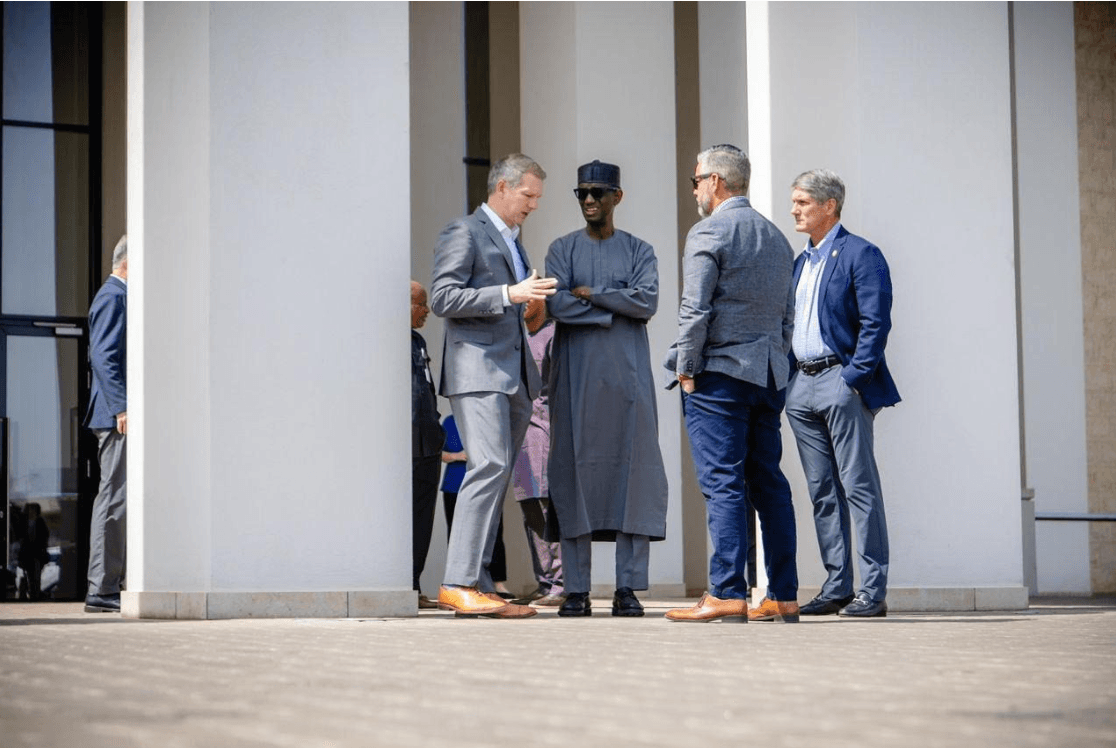
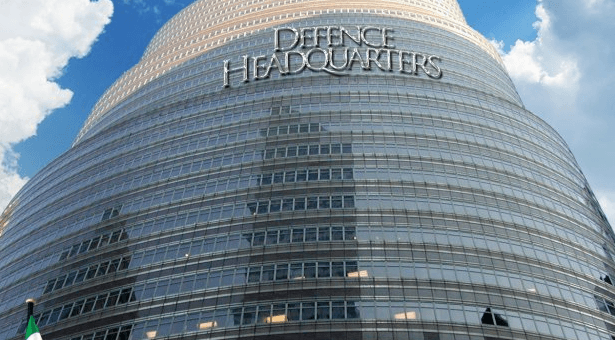
Within months, reports emerged of the deployment of approximately 100 U.S. Special Forces personnel to Nigeria alongside the establishment of an MQ-9 Reaper drone facility in Bauchi State. The drone base reportedly serves as an Intelligence, Surveillance, and Reconnaissance (ISR) hub supporting operations across the Lake Chad Basin and potentially expands to parts of the wider Sahel, including Chad, Niger, and Burkina Faso. More recently, on Monday, 18 May, the Nigerian Defence Headquarters reported that a top Islamic State West Africa Province (ISWAP) commander and other militants were killed in a Nigeria-US joint operation. On Tuesday, 19 May, Defence HQ further reported that counterterrorism operations conducted with the US military’s Africa Command (AFRICOM) led to the destruction of checkpoints, weapons caches, logistics hubs, military equipment and financing networks used by the Islamic State of Iraq and the Levant (ISIL) and the ISIL affiliate in West Africa, ISWAP, which has led a years-long struggle in the region. These operations send a clear warning to armed actors of the change in dynamics of the threat environment and potentially reduce the grip of Jihadi groups on the borders of Nigeria, Niger, Chad and Cameroon, if the partnership and counterterrorism operations endure.
This expanded footprint has also improved Washington’s operational flexibility in the region, particularly as it seeks to re-engage states such as Mali through intelligence-sharing arrangements and calibrated diplomatic outreach. At the core of this approach is a broader security-for-access framework in which military cooperation increasingly intersects with economic and geopolitical interests. What emerges from this strategy is a more transactional and pressure-driven model of engagement, where domestic political sensitivities and security dependencies are leveraged to secure strategic concessions and expand American influence.
Security Guarantees and Resource Competition in the DRC
The Trump administration’s approach to the Democratic Republic of the Congo has largely centred on a transactional minerals-for-security framework. The rapid territorial gains made by the Rwanda-backed M23 rebel group across eastern DRC exposed major vulnerabilities within the Congolese security apparatus, creating an opening for Washington to deepen its influence. For Kinshasa, closer alignment with Washington offers both military, political and diplomatic advantages. U.S. backing strengthens the Congolese government’s leverage in international negotiations while also increasing pressure on regional actors accused of supporting armed groups. This shift is already visible through U.S. sanctions targeting Rwandan-linked networks and certain political actors associated with the conflict.
For Washington, the strategic incentive is clear: access to one of the world’s largest reserves of critical minerals, including cobalt and coltan, sectors where China currently maintains dominant influence. Strengthened U.S.-DRC relations have already facilitated the entry of American mining firms into strategic resource sectors, backed by growing security cooperation. Although the likelihood of a large-scale U.S. troop deployment remains low—particularly given the administration’s broader reluctance toward prolonged foreign military commitments. Nevertheless, military cooperation has expanded significantly. AFRICOM delegations have conducted high-level engagements with Congolese authorities, while reports continue to circulate regarding the presence of private military contractors linked to U.S. interests. Particularly notable are reports surrounding contractors associated with Blackwater-linked networks allegedly operating around strategic areas such as Uvira to support local security efforts against M23 advances. Although Washington officially denies direct involvement, the presence of such actors reflects a broader expansion of American security interests in the country at a time when Kinshasa remains strongly aligned with the White House.
What the United States Stands to Gain
In the short term, Washington’s renewed engagement across Africa is already generating tangible strategic and economic returns. Across several regions where U.S. military and diplomatic activity has expanded, American commercial interests are rapidly following. In the DRC, U.S. firms have increased investments in critical mineral extraction and secured preferential access to strategic sectors long dominated by Chinese companies. While China’s structural advantage remains significant, the growing American presence represents an important geopolitical breakthrough.
For Nigeria, the expanding U.S. military footprint, while appearing on the surface to appease the Trump administration’s Christian evangelical base through claims that American involvement is aimed at preventing Christian persecution, also serves a broader strategic purpose. It provides Washington with a critical entry point for monitoring the evolving and adaptive insurgency landscape across the Sahel and the Lake Chad Basin, which directly threatens U.S. interests in the region and, potentially, the homeland itself.
A similar pattern is emerging in the Sahel. In late 2025, an American company signed an agreement with Mali’s state-owned mining sector to restart production at a major gold mine valued at approximately $11 billion. Simultaneously, Bamako has continued courting additional U.S. investment in critical mineral development despite broader geopolitical tensions. In Libya, major U.S. energy firms are also moving aggressively to regain influence within the country’s oil and gas sector as Washington deepens its political and security involvement.
However, while economic gains are becoming increasingly visible, the broader objective of displacing global competitors remains far more complex. China’s dominance over mineral supply chains in the DRC remains deeply entrenched and will likely take years—if not decades—to meaningfully challenge. Likewise, Russia’s security partnerships across the Sahel continue to hold political and military relevance despite growing questions over their long-term effectiveness in improving regional stability. What these developments ultimately reveal is that African states are increasingly pursuing diversified and pragmatic foreign policies. Rather than aligning exclusively with a single global power, many governments are strategically balancing relationships with the United States, China, Russia, Turkey, and Gulf actors to maximise political and economic leverage. For Washington, this means that rebuilding influence in Africa will not simply depend on military presence or economic investment alone. It will require sustained strategic engagement within an increasingly multipolar landscape where African states possess greater agency and are becoming more adept at navigating competition between global powers. The United States may be steadily rebuilding its footprint across the continent, but it is doing so in a geopolitical environment that is far more competitive, fragmented, and transactional than the one it previously dominated.
Afroangle Intel Admin
Northwest Nigeria Report Admin
comments
No comments yet