
Beyond the Northern wall - Insurgent Activities Spread down south
by
North-west Nigeria: Security Situation Report (May 17 – May 23, 2026)
Introduction
The North-west region, alongside Nigeria more broadly, witnessed a rapid escalation in violent activity during the reporting period, ranging from intensified counter-terrorism operations to large-scale insurgent attacks. Within the North-west, which remains the primary focus of this data-driven analysis, violent incidents moderately increased after weeks in which Afroangle tracked a moderate decline in insecurity. The region also recorded increased Lakurawa insurgent activity, including attacks on military positions in Sokoto State, alongside sustained assaults by armed bandit groups targeting rural communities through kidnappings, looting, and attacks on critical transit corridors.
Concurrently, Nigeria expanded its counter-terrorism partnership with the United States. U.S. AFRICOM announced a new wave of strikes targeting Islamic State positions, while a joint operation with Nigerian forces reportedly killed 175 ISWAP fighters, including several senior commanders. Among those reportedly killed were Abd-al Wahhab, who directed regional attacks and propaganda operations; Abu Musa al-Mangawi, a senior figure within the group; and Abu al-Muthana al-Muhajir, who managed the group’s media production unit and maintained close ties with Al-Minuki, whom security forces killed in a targeted joint operation the previous week. Collectively, these coordinated operations will likely strain the group’s operational and strategic coordination networks in the near term.
More notably, Nigeria’s security landscape took a dramatic turn as violent activity expanded into the relatively stable South-west region. Armed groups reportedly linked to the Jama'atu Ahlis Sunna Lidda'awati wal-Jihad (JAS) faction abducted 46 victims, including students and teachers, from Orire Local Government Area in Oyo State. The incident intensified concerns over the southward spillover of insecurity from the North into a region that has historically remained comparatively stable. Consequently, fears continue to grow over the long-term security implications of insurgent penetration into the South-west corridor and its potential impact on regional stability.
Week in Review
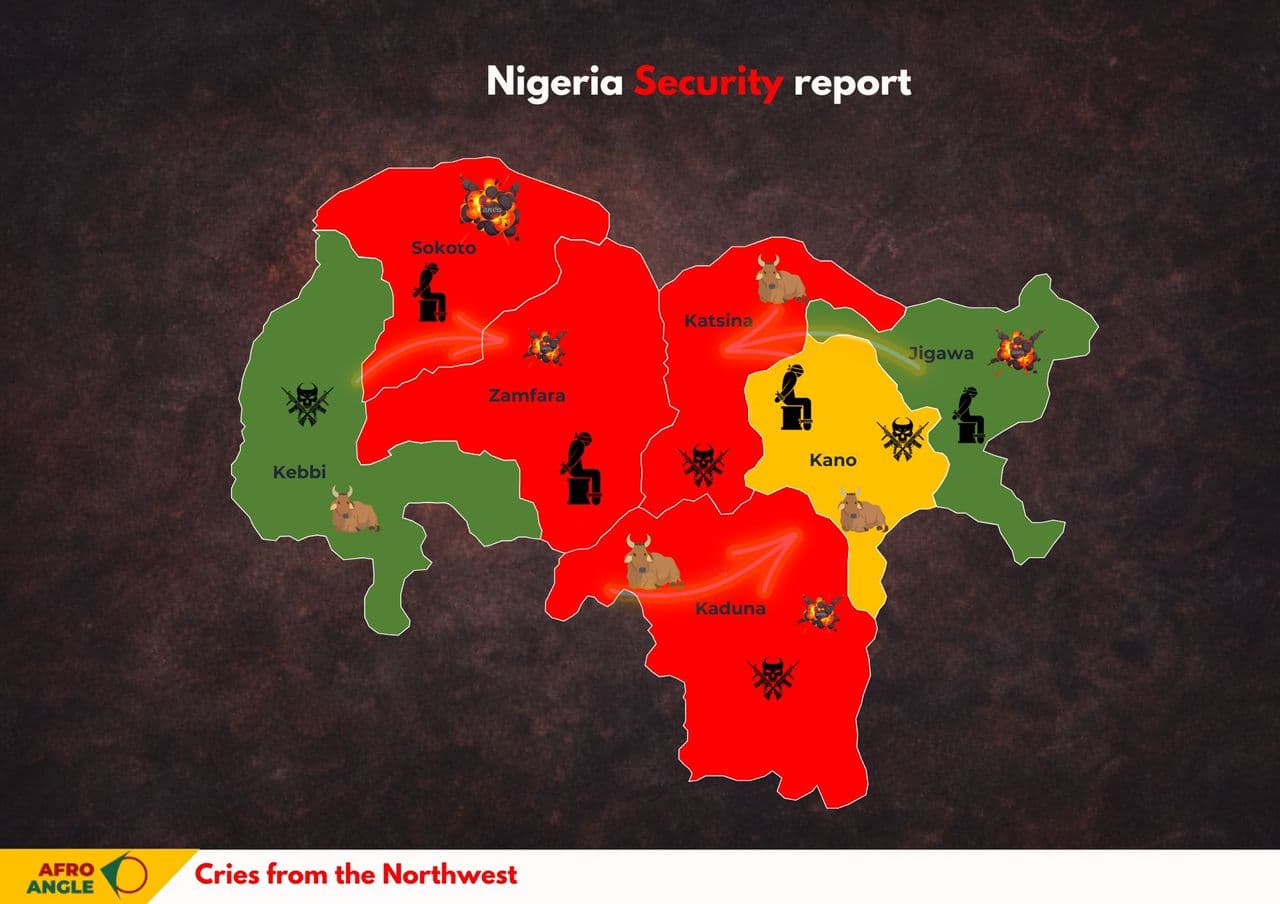
Security data from the North-west during the reporting period indicated a continued deterioration in the security environment and intensified violent activity linked to bandit and insurgent operations. Recorded incidents declined from 22 to 20, representing a 9% reduction in the operational tempo of attacks. Nevertheless, the attacks remained highly lethal despite the lower frequency of incidents. Fatalities declined by 32%, falling from 54 in the previous week to 37 during the current reporting period. However, local communities, security forces, and vigilante groups increasingly found themselves at the center of violent confrontations involving Lakurawa fighters. In one notable attack in Runji, Illela Local Government Area of Sokoto State, Lakurawa militants killed seven soldiers.
Meanwhile, abduction figures also declined but remained significantly high. Armed groups kidnapped 62 victims during the reporting period, compared to 76 in the previous week, marking an 18% decrease. Despite this decline, kidnappings targeting vulnerable groups and commuters travelling along major regional highways persisted across several areas.
Regionally, Katsina, Zamfara, and Sokoto states continued to dominate the security metrics. Zamfara recorded the highest number of abduction victims, while Katsina led the region in fatalities and incidents, recording 21 deaths and 10 incidents, respectively. These figures reflect the widespread nature of violence across the North-west and reinforce the position of these states as the primary epicentres of insecurity despite intensified counter-terrorism operations.
Analysis: Insurgent Activity Takes Root in the South-west
Over the last two decades, persistent violence and insecurity have entrenched themselves across Northern Nigeria, while militant activity spread across the South-east and separatist violence linked to IPOB destabilised parts of the South-east. In contrast, the South-west largely remained insulated from sustained insurgent violence. However, developments since late 2025 indicate a gradual but concerning expansion of armed group activity into the region. Armed groups first established a visible presence along the Niger-Kwara-Kogi corridor, particularly as the Nigerian military intensified operations against militant hideouts in the North-central region and pushed several groups further southward. This southward expansion became increasingly evident after years of violent activity in Kwara State, which serves as a strategic gateway into the South-west. By January this year, the threat had become more pronounced when armed groups attacked the Old Oyo National Park area and killed five forest guards.
Subsequently, armed bandits carried out a coordinated assault on the Ipele community in Owo, Ondo State, where they burned down a police station. The attack occurred near areas linked to previous ISWAP activity in neighbouring Edo State, where the group had earlier claimed responsibility for an attack. Furthermore, the Department of State Services (DSS) arrested two suspected ISWAP fighters earlier this year, reinforcing concerns over growing militant penetration into the region.
More recently, authorities confirmed that fighters linked to the Jama'atu Ahlis Sunna Lidda'awati wal-Jihad (JAS) faction carried out the abduction of students in Orire.
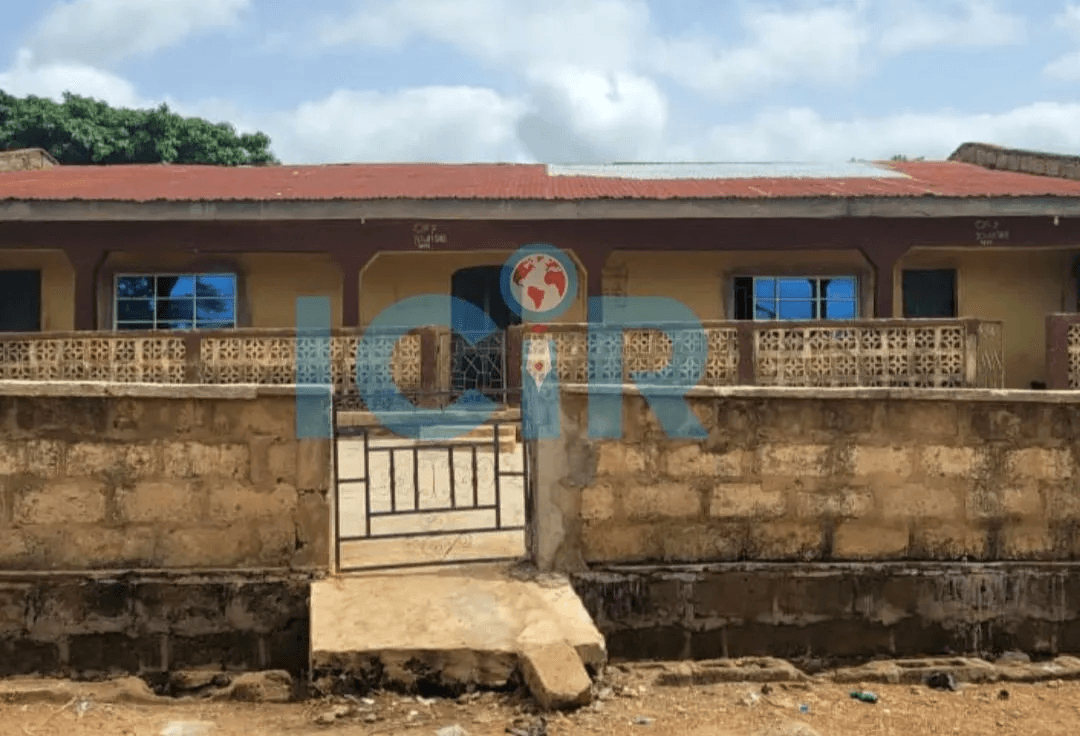
The group reportedly operates around the Niger-Kwara corridor, and its involvement in recent attacks highlights the growing geographical and operational expansion of insurgent activity, particularly through the exploitation of forested areas.
Collectively, these incidents demonstrate that the attacks did not emerge in isolation. Multiple warning signs and intelligence indicators had already pointed to the gradual southward movement of armed groups before the latest attacks occurred. The growing militant presence around the Kainji Lake axis, which stretches toward the Old Oyo National Park, alongside the simultaneous escalation of counter-terrorism operations in the area, reflects the strategic ambitions of these groups to establish operational footholds within the South-west corridor. Notably, the December U.S. airstrike campaign, during which reports indicated that security forces arrested 39 suspected militants, further underscored the seriousness of the evolving threat landscape.
The implications of a deeply entrenched insurgent presence in the South-west are severe. Such a development could undermine the region’s economic dominance, disrupt commercial activities, and alter its long-standing reputation as one of Nigeria’s most stable economic zones. Consequently, authorities must adopt a coordinated regional security framework that strengthens military capabilities through improved intelligence collection, enhanced aerial surveillance, and expanded rapid-response operations.
Equally important, state governments must strengthen regional security networks such as Amotekun and improve security deployments along the corridor linking Kogi and Kwara states to Oyo, Ondo, and other South-west states. Security agencies must also deepen community engagement and strengthen local resilience to prevent armed groups from exploiting social vulnerabilities and weak governance structures, a strategy these groups have repeatedly deployed across northern conflict theaters.
Most critically, authorities must intensify the crackdown on illegal mining activities around the Old Oyo National Park axis. Illegal mining operations involving critical minerals have increasingly shown links to the sustained presence of armed groups in several regions. Over time, control over these resources could strengthen insurgent financing networks and expand territorial influence, mirroring patterns already visible in parts of Zamfara State. Unless authorities act decisively, armed groups could gradually replicate this model in the South-west. Ultimately, Nigeria requires a coordinated and unified response to prevent the country’s last major zone of relative stability from descending into a prolonged insurgency environment.
Outlook
The coming weeks will prove critical as Nigeria-U.S. security cooperation likely expands through intensified counter-terrorism operations targeting ISWAP and affiliated groups. Simultaneously, Nigerian ground forces will likely sustain offensive operations while the United States continues to provide aerial and ISR support, particularly as the rainy season begins to constrain long-range ground offensives and troop mobility.
Meanwhile, armed bandit activity across the North-west will likely persist, particularly attacks targeting vulnerable rural populations and strategic transit corridors. In the South-west, security forces will likely intensify ground operations against armed groups operating around the Old Oyo National Park axis, as well as parts of Ondo and Ekiti states. Furthermore, authorities will likely expand security operations across forest corridors and border areas connecting the North-central region to the South-west in an effort to disrupt militant movement and prevent the consolidation of insurgent safe havens.
Afroangle Intel Admin
Northwest Nigeria Report Admin
comments
No comments yet